Optimal Timing for Swamp Cooler Installation
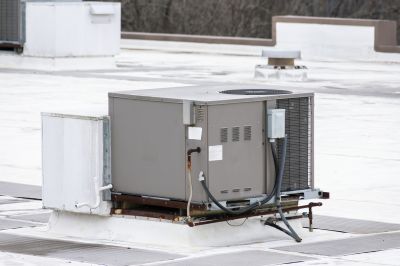
Spring is an ideal time for installing swamp coolers to ensure readiness before peak summer temperatures.

Early summer allows for system testing and adjustments, preventing delays during hot months.
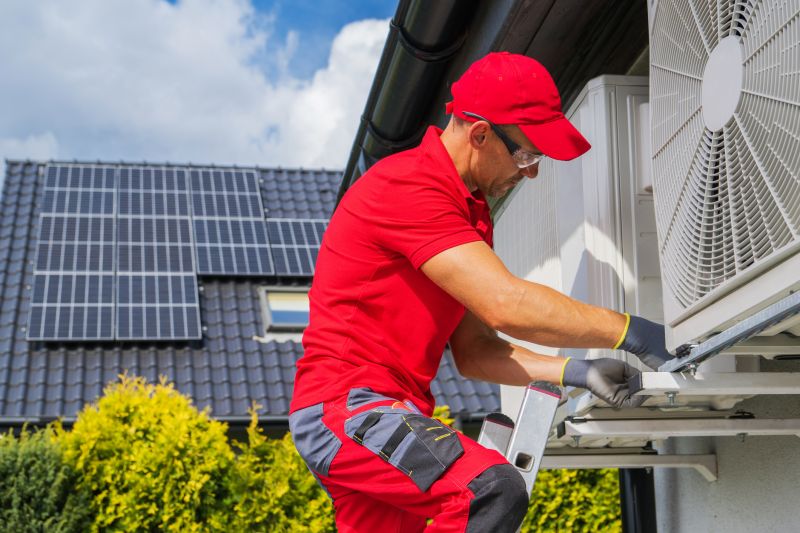
Installing in the off-season can lead to lower costs and quicker scheduling.
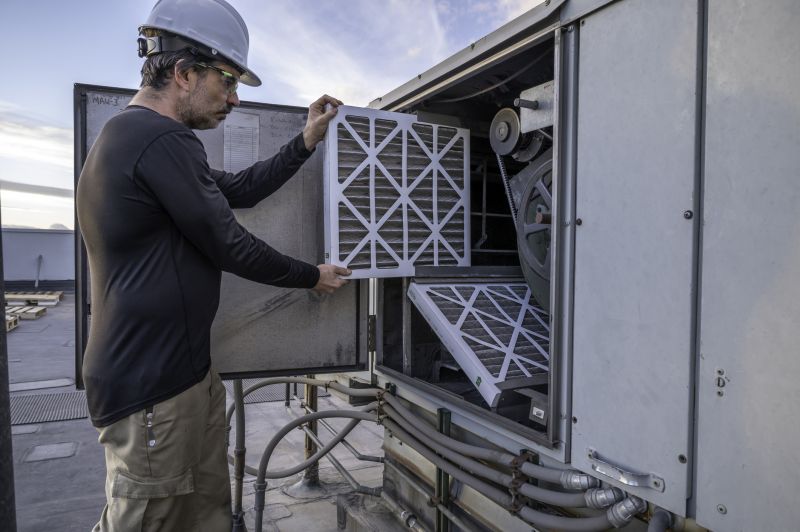
Ways to make Swamp Cooler Installations work in tight or awkward layouts.
Popular materials for Swamp Cooler Installations and why they hold up over time.
Simple add-ons that improve Swamp Cooler Installations without blowing the budget.
High-end options that actually feel worth it for Swamp Cooler Installations.
Finishes and colors that play nicely with Swamp Cooler Installations.
Swamp cooler installations are most effective when performed before the onset of high temperatures. Proper timing ensures that the system is fully operational during the hottest months, providing optimal cooling performance. Installing early in the season also allows for thorough testing and adjustments, reducing the risk of malfunctions during peak use. Additionally, off-season periods often feature less demand, which can lead to more flexible scheduling and potential cost savings.
Statistics indicate that swamp cooler efficiency peaks when systems are installed during mild weather conditions. Properly timed installations can extend the lifespan of the equipment and improve energy efficiency. Planning ahead ensures that the system is integrated seamlessly with existing ventilation and electrical systems, minimizing disruptions and maximizing comfort during the hottest periods.

Spring installations prepare cooling systems for summer, avoiding peak season delays.
Mid-summer setups may require expedited scheduling but can be effective if planned properly.
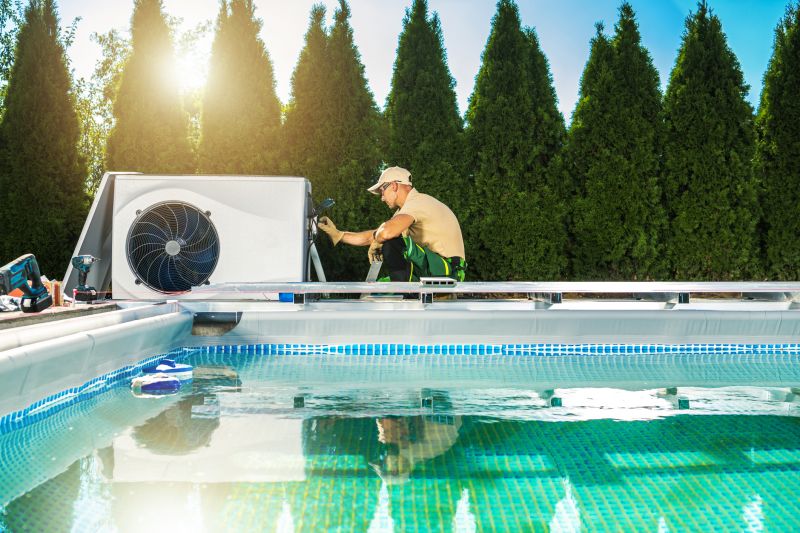
Off-season installation often offers lower costs and more flexible scheduling options.
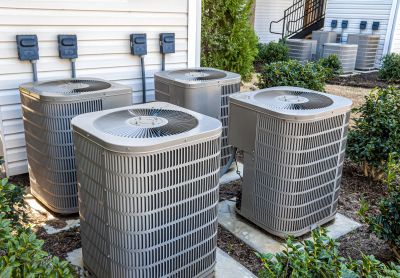
Late summer installations are possible but may involve higher costs and shorter lead times.
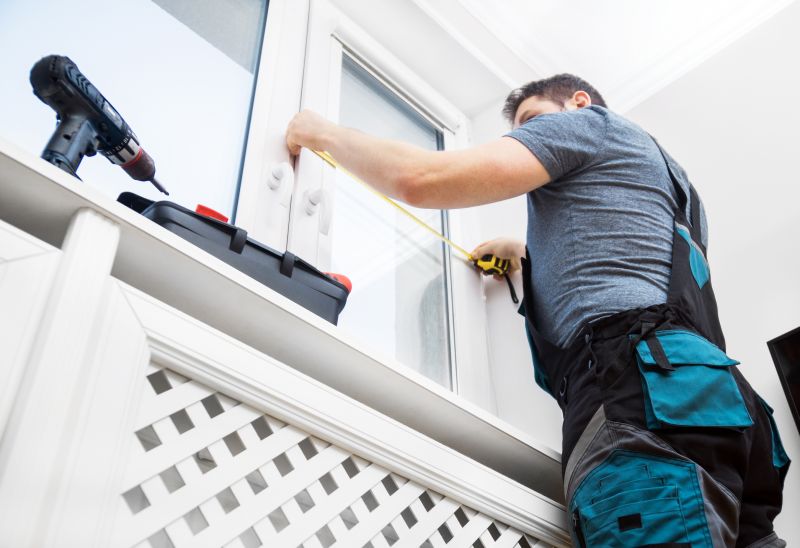
Little measurements that prevent headaches on Swamp Cooler Installations day.
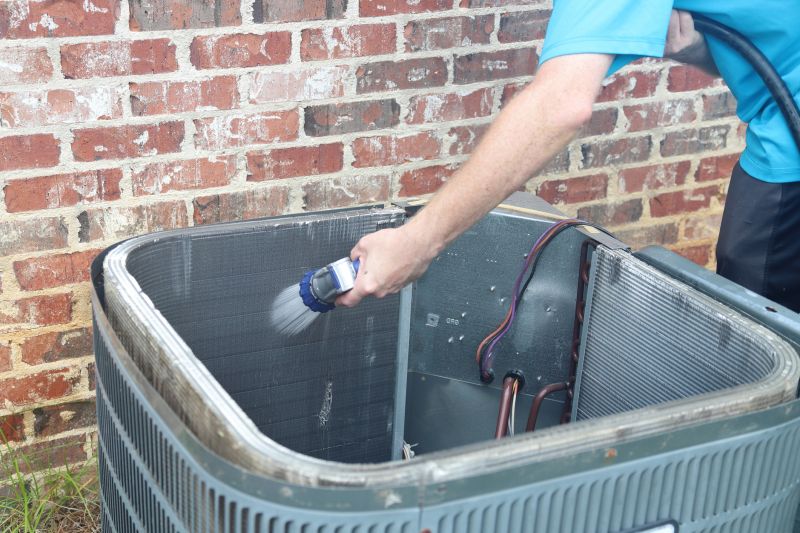
A 60-second routine that keeps Swamp Cooler Installations looking new.

A frequent mistake in Swamp Cooler Installations and how to dodge it.
Small tweaks to make Swamp Cooler Installations safer and easier to use.
| Timing | Advantages |
|---|---|
| Spring | Ensures system readiness before peak heat, allows for testing and adjustments. |
| Early Summer | Provides optimal cooling performance during hot months. |
| Off-Season | Lower costs, flexible scheduling, less demand. |
| Mid-Summer | Effective if scheduled promptly, but may involve higher costs. |
| Late Summer | Possible but less ideal due to peak demand and limited availability. |
Installing a swamp cooler at the appropriate time can significantly impact its performance and longevity. Planning installation during mild weather conditions allows for comprehensive setup and reduces the likelihood of disruptions during the hottest periods. Proper timing also ensures that the system operates efficiently, providing reliable cooling when it is most needed.
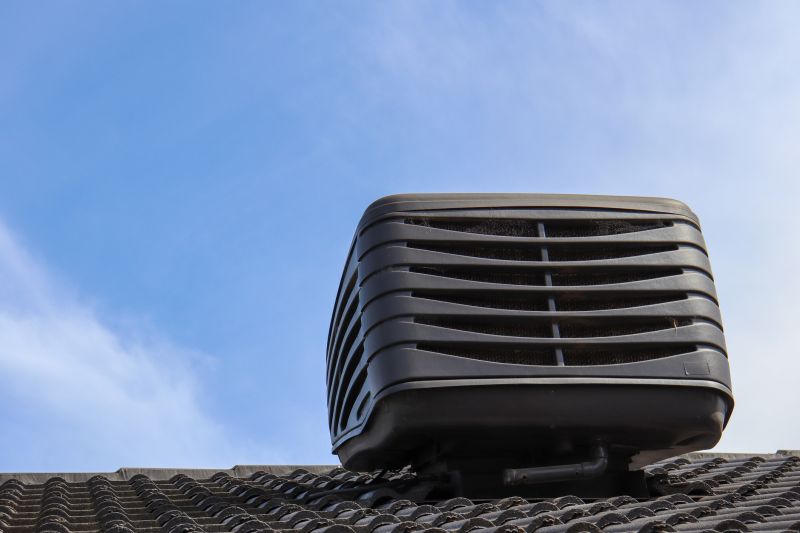
Ideal for preparing cooling systems ahead of summer heat.
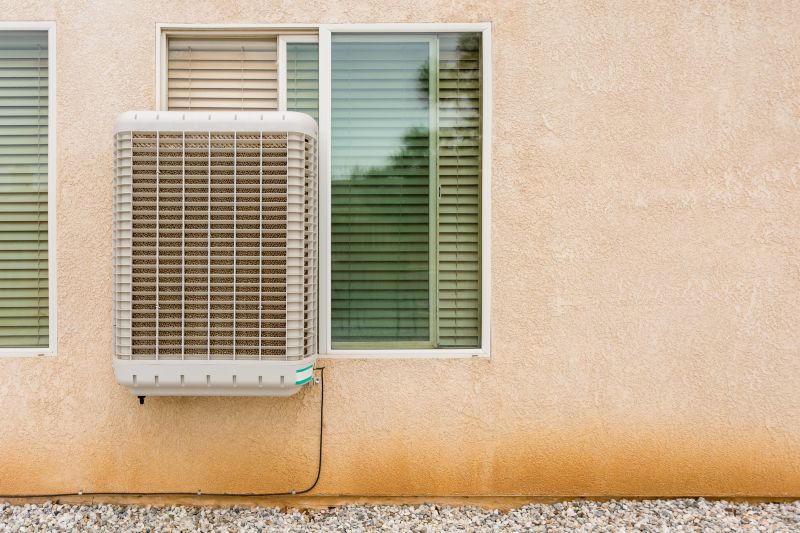
Ensures readiness for peak temperature months.
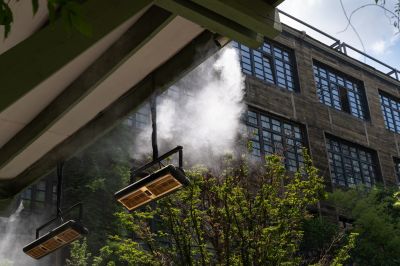
Cost-effective with flexible scheduling options.
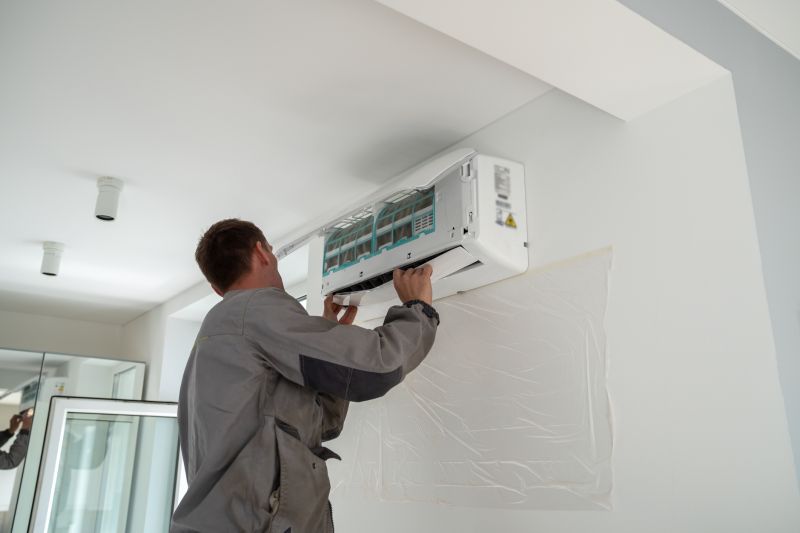
Possible but may involve higher costs and limited availability.
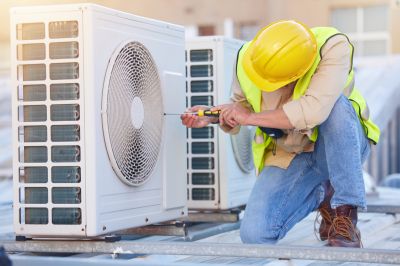
Rough timing from prep to clean-up for Swamp Cooler Installations.
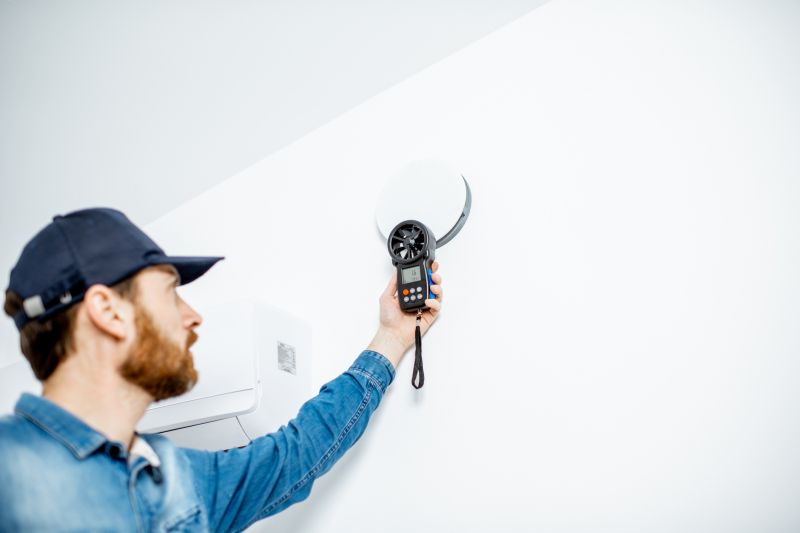
Quick checks and paperwork to keep after Swamp Cooler Installations.
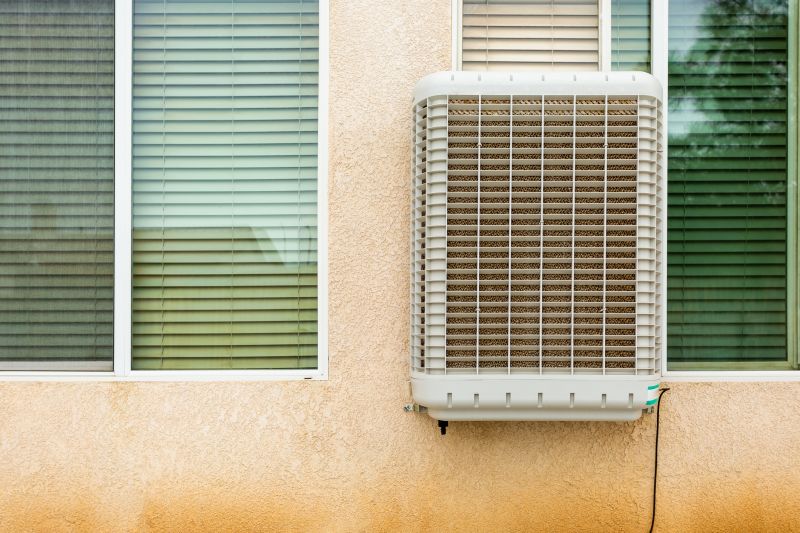
Examples that show the impact a good Swamp Cooler Installations can make.
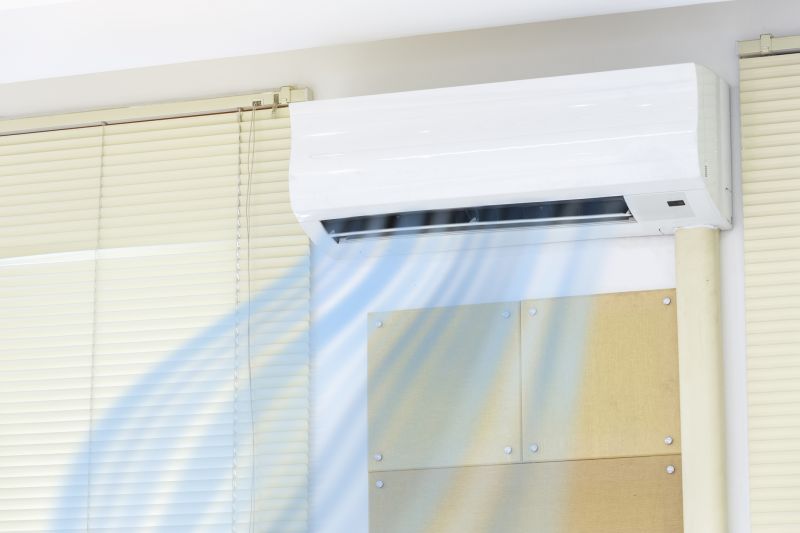
Ways to make Swamp Cooler Installations work in tight or awkward layouts.
Interested parties are encouraged to contact for more information about scheduling swamp cooler installations. Proper timing and planning can lead to improved system performance and energy efficiency, ensuring comfort during the hottest months of the year.
Ways to make Swamp Cooler Installations work in tight or awkward layouts.
Ways to make Swamp Cooler Installations work in tight or awkward layouts.
Ways to make Swamp Cooler Installations work in tight or awkward layouts.